
Understanding the BPS Delinked Payments Transition
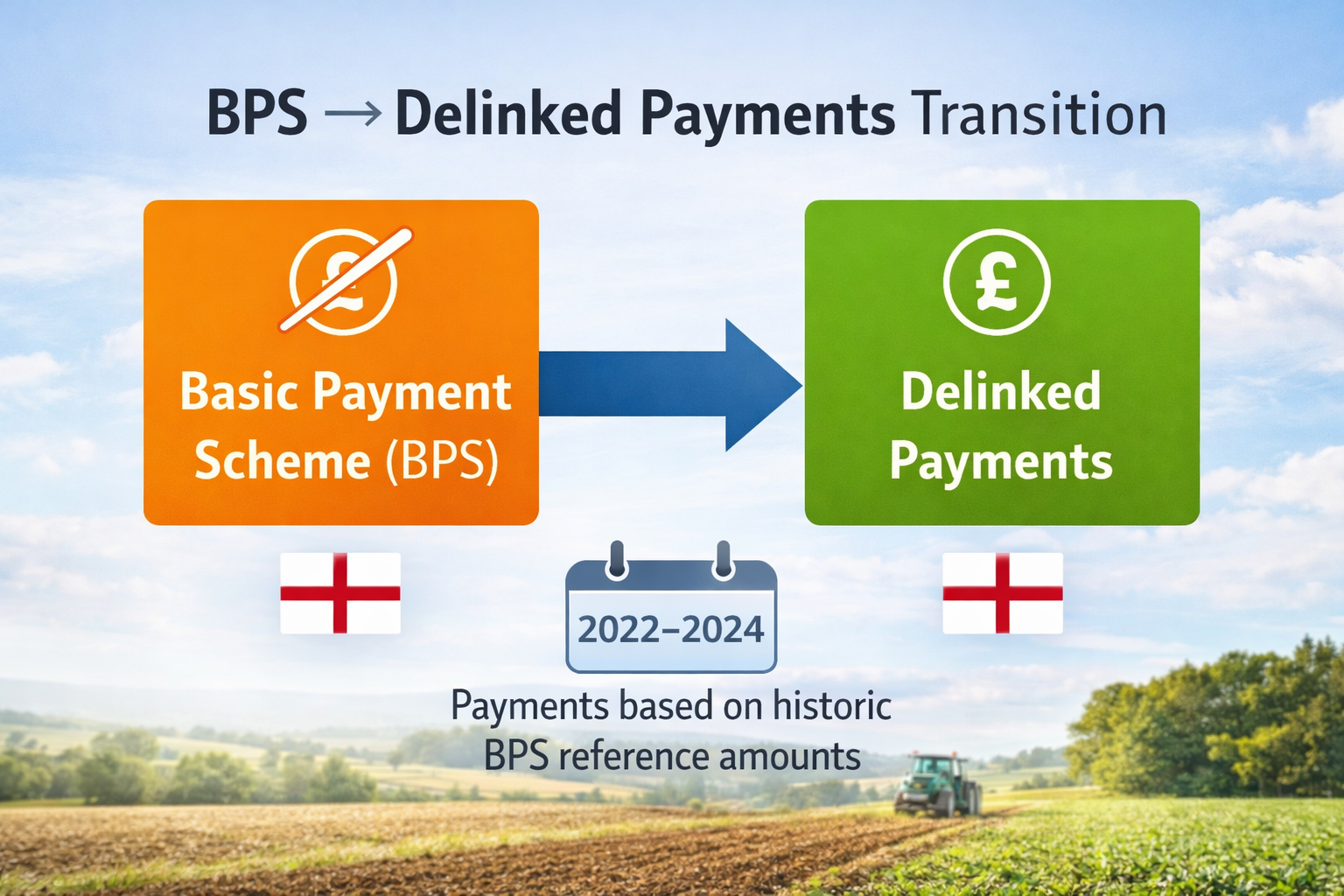
The Basic Payment Scheme (BPS) delinked payments transition represents a significant change for farmers across the UK, particularly for those in Devon and its surrounding areas such as Exeter and Torquay. As we embark on this journey, it’s vital to grasp the nuances of this transition. In essence, BPS delinked payments transition aims to decouple the financial support received from agricultural production, aligning with the broader governmental strategy to focus on sustainable farming practices.
This shift is profound, altering the financial landscape for farmers who have relied on the BPS framework. While the term “BPS delinked payments transition” encapsulates this upcoming change, it’s essential to dig deeper to understand its full implications. These include a fundamental shift from direct payments to more diverse environmental initiatives that promise long-term benefits beyond production numbers.
In the initial stages, the BPS delinked payments transition may seem daunting, but it offers a golden opportunity for growth and adaptation. For Devon farmers, understanding the finely detailed process—such as the calculation methods and eligibility criteria under the new system—becomes essential. Adapting to these changes is not just about compliance; it’s about leveraging new opportunities for an economic edge in a region renowned for its rich agricultural heritage.
Why the BPS Delinked Payments Transition Matters to Devon Farmers
Devon’s agricultural framework is intrinsic to its socio-economic fabric, and the BPS delinked payments transition plays a crucial role in influencing the future of farming in this picturesque county. The traditional BPS support was primarily based on land area, which often benefitted larger farms disproportionately. Yet, with the BPS delinked payments transition, there’s a remarkable shift towards rewarding qualitative improvements in environmental practices.
This transition is essential for Devon farmers as it nudges the sector towards more sustainable practices without the pressure to maintain current production levels. Farmers from Barnstaple to Totnes are being encouraged to adopt methods that benefit biodiversity, reduce carbon footprints, and increase land resilience to climate change—all focus areas within the BPS delinked payments transition framework.
For many Devon farmers, the transition could herald an era of innovation. By adopting new agricultural practices that align with BPS delinked payments criteria, there is potential not only for financial gain but also for ensuring that Devon’s agriculture remains competitive and relevant in this evolving economic climate.
Challenges Ahead in the BPS Delinked Payments Transition
While the BPS delinked payments transition may open doors to new opportunities, it also poses considerable challenges. For one, the switch from a production-focused subsidy to a more environmentally aligned framework may require significant adjustments for some farmers. In areas like Tiverton and Bideford, understanding these adjustments is essential to thrive under the new regime.
One of the most pressing challenges is the initial knowledge gap about what the BPS delinked payments transition entails. Farmers need robust consultancy services to demystify the new rules, ensuring that decisions are made with comprehensive understanding rather than conjecture. It’s about transforming potential confusion into manageable, actionable strategies.
Moreover, the period of transition will demand financial and operational resilience as farmers adapt to the new payment structures. It may also necessitate investments in new equipment or techniques to align with the criteria set forth by the transition. Overcoming these hurdles will define the new era of farming in Devon and make the region a model for others.
Strategies for a Smooth BPS Delinked Payments Transition
Successfully navigating the BPS delinked payments transition requires strategic planning and informed decision-making. Farmers in the Devon region can benefit from proactive measures designed to leverage the potential benefits while mitigating the risks associated with this change. This involves a step-by-step approach, starting with a thorough assessment of current farming practices and identifying areas for improvement.
One strategy for Devon farmers is to integrate diversified agricultural practices that align with environmental goals. This could include initiatives such as maintaining field margins, reducing chemical usage, and promoting wildlife habitats on farms. By doing so, farms not only meet the criteria laid out in the BPS delinked payments transition but also enhance their productivity sustainably.
Furthermore, engaging with local farming communities and participating in workshops can provide valuable insights and peer support through the transition. Working together with other farmers and local agencies can foster innovation and enhance collective learning, smoothing the path for all involved.
The Benefits of Embracing BPS Delinked Payments Transition
The BPS delinked payments transition isn’t merely a regulatory adjustment—it’s an opportunity to redefine agriculture’s role on the national and global scale. For Devon farmers, this transition offers numerous benefits, including alignment with future-focused agricultural policies and access to new markets focused on sustainable produce.
By embracing the BPS delinked payments transition, farmers can tap into enhanced support systems for environmental and climate-friendly practices. This not only secures their income portfolio but also strategically positions them as leaders in sustainable agriculture—a narrative increasingly favoured by both consumers and policymakers.
Additionally, investing in environmentally sound practices promises long-term resilience against climate variability and market shifts. For areas like Exmouth and Newton Abbot, this resilience ensures that the agricultural sector continues to thrive amid external pressures, securing both economic stability for farmers and food supply for communities.
Preparing for the Transition with Expert Consultancy
The complexities of the BPS delinked payments transition can be overwhelming, which is why expert consultancy plays a vital role in a seamless transition. Siggs and co is committed to assisting Devon farmers in navigating these changes by providing personalised consultancy services tailored to local conditions and individual circumstances.
Through detailed analysis and strategic guidance, we empower farmers to make informed decisions, ensuring they meet the new criteria effectively. Our experts are well-versed in the latest regulatory developments and bring insights into best practices for integrating environmental and sustainable approaches into existing operations.
We also offer continuous support and updates, keeping you informed of any further changes to regulations or opportunities for program enrolment, ensuring that you remain ahead of the curve through every phase of the BPS delinked payments transition.
Long-term Implications of the BPS Delinked Payments Transition
With the BPS delinked payments transition, we foresee transformative long-term implications for the agricultural landscape of Devon. This change is more than an adjustment; it is an evolution that reflects an essential shift towards preserving the environment while maintaining agricultural profitability.
The expected long-term impacts of this transition are multi-faceted. Anticipated outcomes include an enhanced biodiversity landscape, improved soil health, and a reduced agriculture-related carbon footprint, all of which contribute positively to the wider ecosystem. Such oecological gains ensure the sustainability of farming practices—benefiting both current stakeholders and future generations.
Socially, the transition fosters a redefinition of rural (community) identities, creating a space where tradition meets innovation. By adapting to BPS delinked payments transition guidelines, farmers in Devon can showcase their commitment to environmentally responsible farming, serving as exemplary figures in sustainable agriculture practices.
Conclusion: Navigating the Future
The BPS delinked payments transition is a pivotal moment for farming in Devon. Although it presents challenges, the transition also offers the opportunity to revamp traditional agricultural approaches and align them with modern sustainability principles. By understanding every detail and embracing the required changes, farmers can secure a prosperous future for themselves and ensure the sustainability of Devon’s rich agricultural heritage. Ready to get started? Contact us today for a consultation.